
The 2026 winners, and how they got here
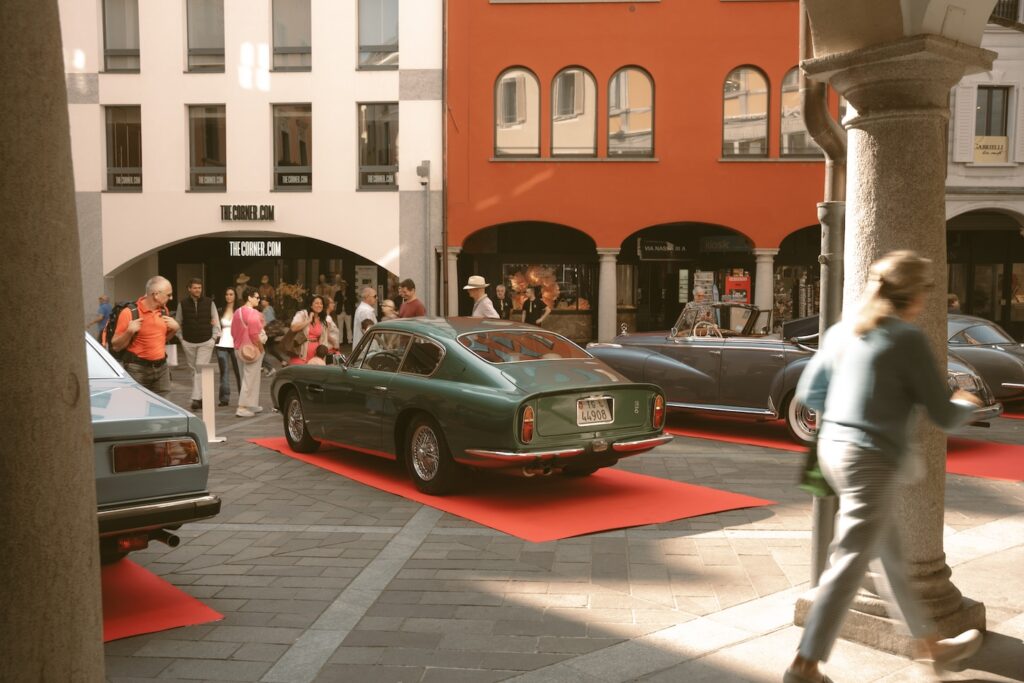
Six classes, one Best of Show, one Car of Honour and a set of special awards. Behind each result is a story that long predates the weekend.
Class 1, 1930 Rolls-Royce Phantom II.
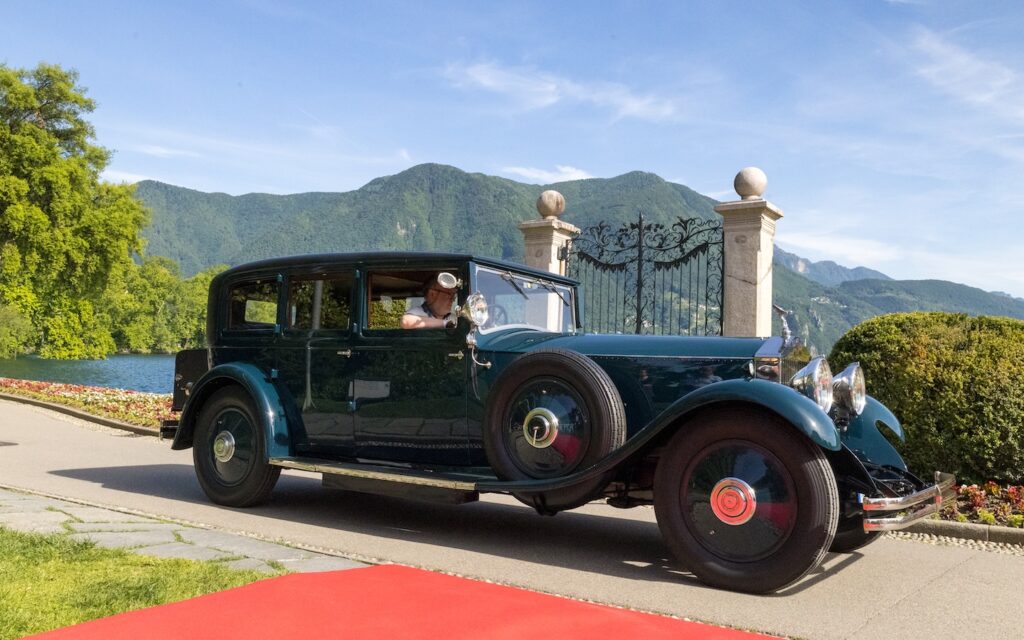
Chassis 165 GN was bodied in 1930 by Kellner of Paris, whose proprietor was later shot by the Germans and whose workshop was destroyed in the war. The car appeared in MGM’s 1964 film The Yellow Rolls-Royce, then passed to Dr Nils-Erik Sundblad, in whose garage it sat undisturbed for forty-five years. Comparative study with the Kellner scholar François Vanaret suggests this body served as the design basis for the Kellner coachwork on the Bugatti Royale the following year. Its restoration took eight thousand hours across England and Italy.
Class 2, 1952 Ferrari 212 Inter.
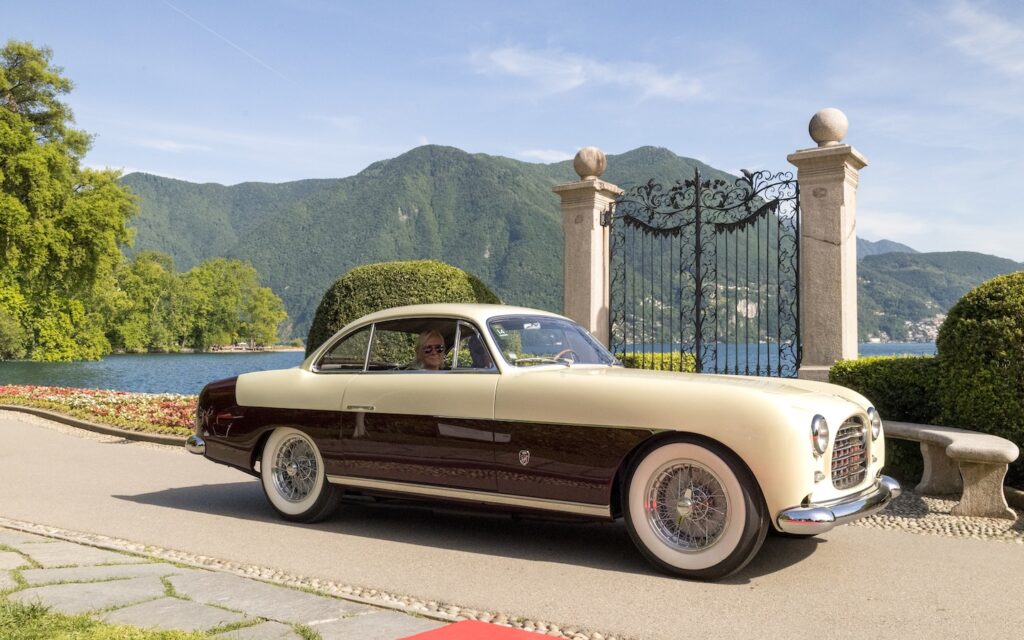
A one-off, and one of only thirty-four Ferraris ever bodied by Ghia. It took pride of place on the Ferrari stand at the 1952 Paris Salon, where the Argentine president Juan Perón bought it, months after Evita’s death, and had the chassis number changed from 0233 EU to 0191 EL for import purposes. After his exile in 1955 it passed through several Argentine owners before returning to Europe. Restored to its original colours in 2024, it has since taken Best of Show at Cavallino Classic and a perfect hundred-point score at Pebble Beach.
Class 3 and Best of Show, 1964 ATS 2500 GTS.
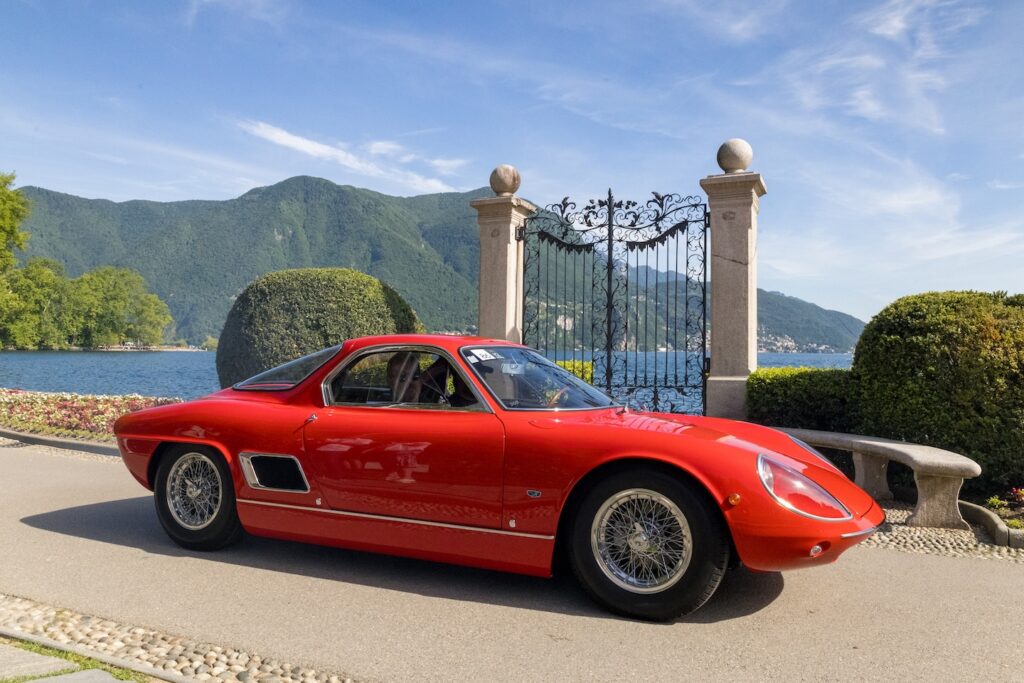
One of twelve cars built by the engineers who left Ferrari in 1961, and one of only two in alloy competition specification.
Class 4, 1979 Rolls-Royce Silver Shadow II.
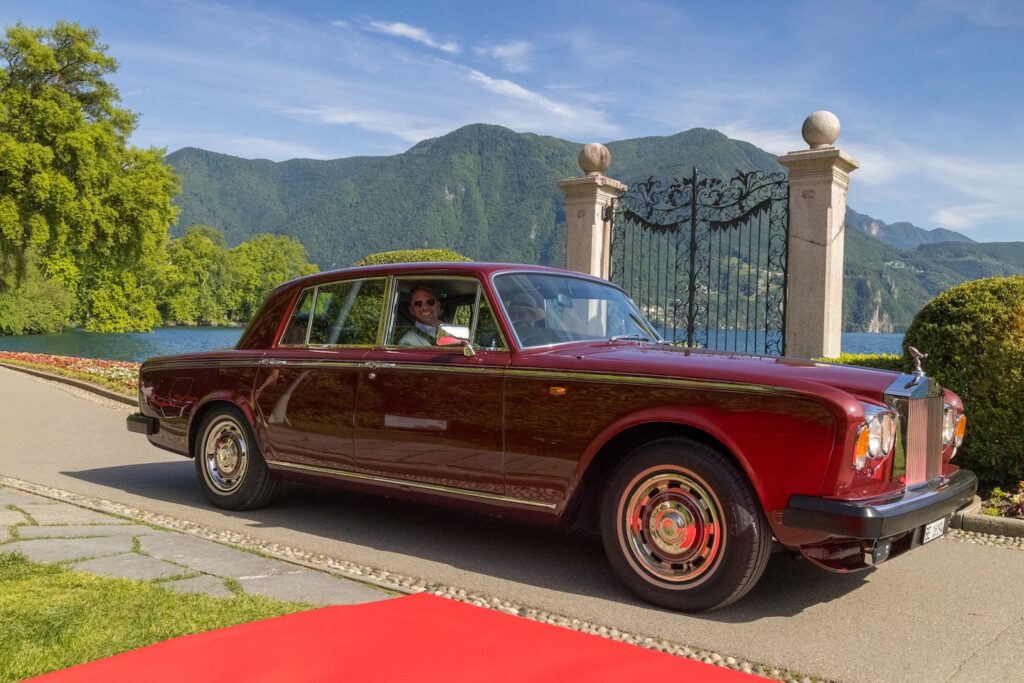
Finished in Cardinal Red, this saloon has appeared twenty-five times at the BCCM in St Moritz between 1994 and 2018, twice carrying off honours in both Concours d’Élégance and Rally. Beneath the bonnet is the 6.75 litre V8 whose output Crewe famously declined to specify, describing it only as “adequate”.
Class 5 and Rarissima, 2025 Alfa Romeo 8C Doppiacoda Zagato.
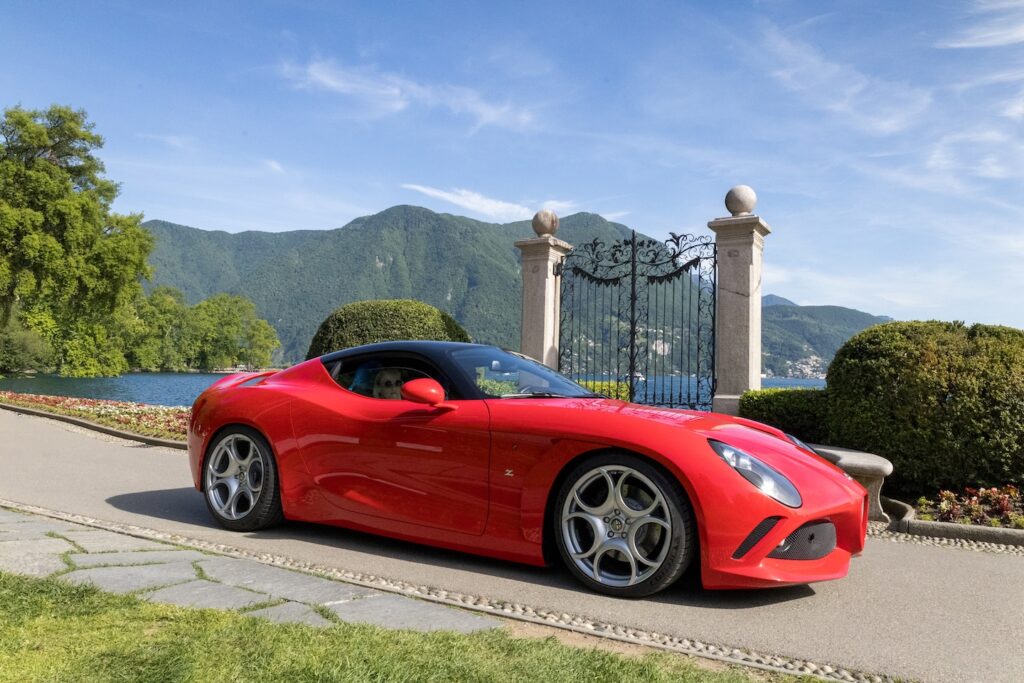
A coachbuilt one-off, revisiting the double-bubble roofs and Kamm tails that defined Zagato’s work with Alfa Romeo from the 1950s. Built on a 2009 8C already modified by Touring, acquired in 2022 and transformed by Zagato across two years of joint development. Presented at Villa d’Este in 2025.
The special awards.
Dolce Vita, the ATED Humanoid award and the Franciacorta award all went to the 1972 Ferrari 365 GTC/4 “Beachcar”, built as a standard Pininfarina coupé and transformed three years later by Willy Felber and Michelotti into a doorless two-seat beach car for the 1976 Geneva Motor Show. Fiat had pioneered the genre with the Jolly; applying it to a 4.4 litre Ferrari V12 was unprecedented, and never repeated.
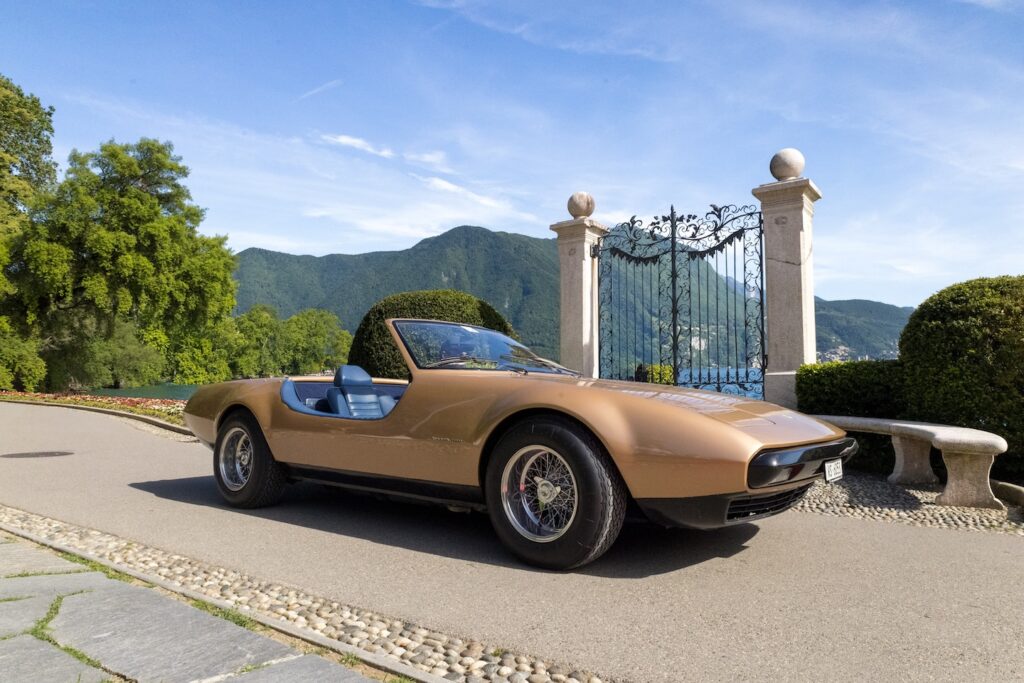
Ultra Rare and Courageous and Most Photogenic both went to the 1937 Squire with Corsica coachwork. Adrian Squire founded his firm at twenty-one intending to build the finest small sports car in the world, with a supercharged twin-cam Anzani engine and a chassis priced higher than a contemporary Bentley. Nine cars were completed before the company collapsed in 1936.
Young Timers Delight went to the 1989 BMW E30 M3, the homologation special that became the most successful touring car of its decade. Subtly Sensuous went to the 1956 BMW 502, commissioned by Erich Schweizer of Thun, who asked Carrosserie Beutler for a body bearing no resemblance to a BMW; the coachwork alone cost 19,800 francs. It vanished between 1976 and the 1990s and was recovered in pieces. Modern Classic went to the 2010 Alfa Romeo 8C Competizione, one of five hundred coupés.