
A machine among the judges
At a concours d’elegance, judgement is a human act. A trained eye follows a wing line, weighs a chrome detail against the factory drawings, considers what a car has survived and what has been done to it since. It is a discipline built on taste, memory and argument, and it has never belonged to anything but people.
In 2026, Lugano Elegance placed a machine among the judges. It was the first time any concours in the world had done so.
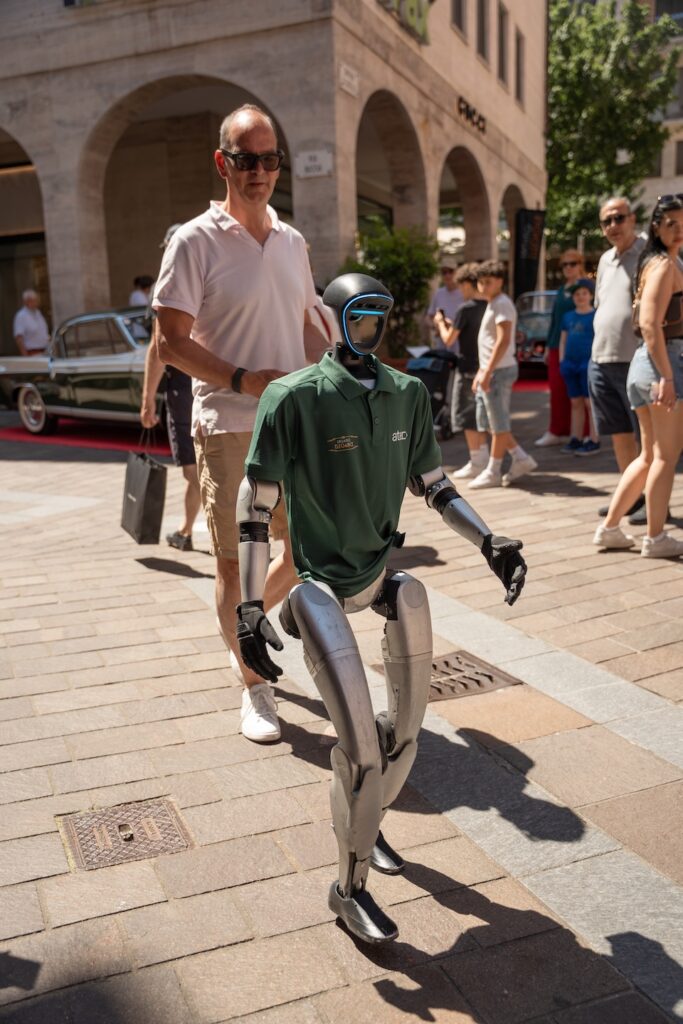
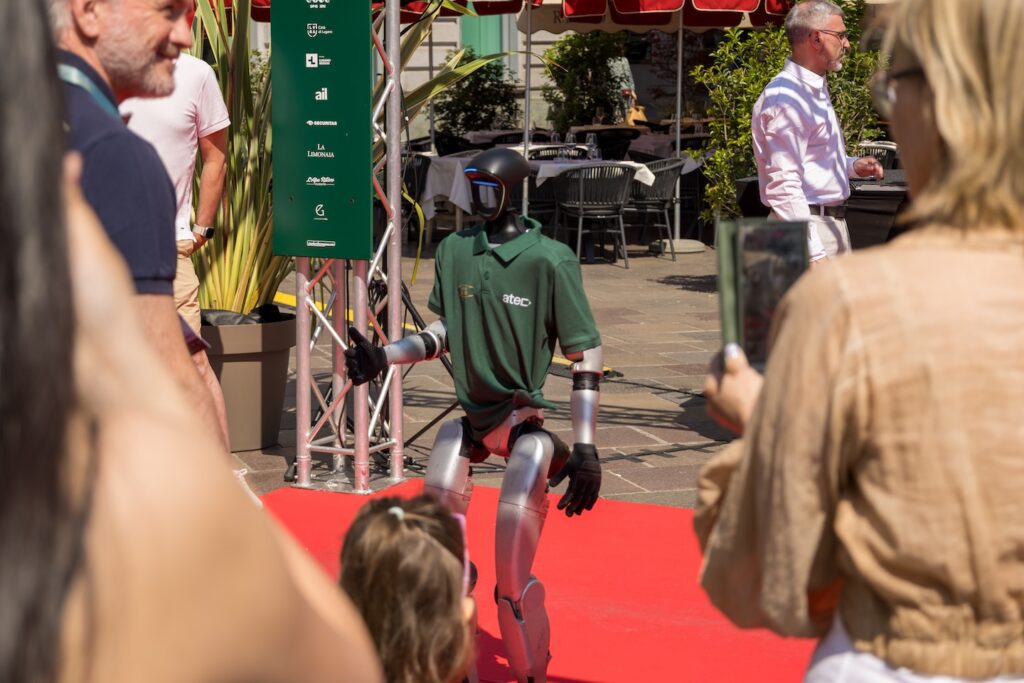
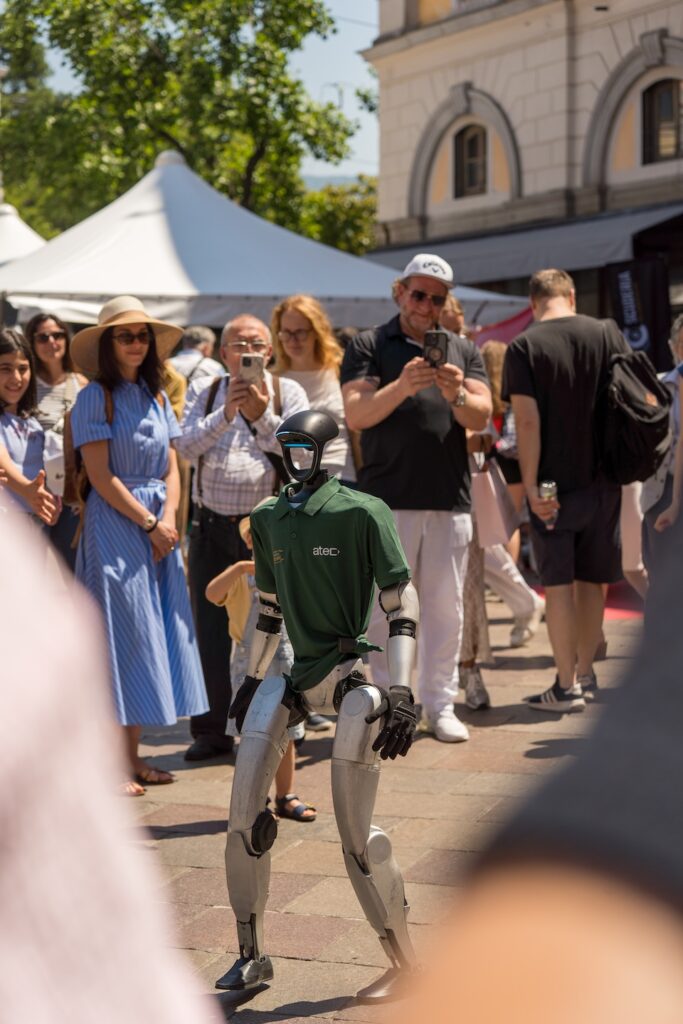
The humanoid judge was developed by ATED, the Ticino association that has worked in innovation and digital transformation since 1971. It did not score on the M100, the hundred-point system used by the human panel, and it did not assess the cars on their appearance at all. Every entry’s historical documentation was loaded into the system before the concours opened: the papers, the records, the written history that trails a car through its life. The machine read the archive rather than the bodywork, ranking what it found against its own set of variables.
Where a human judge begins with the object in front of them, this one began with the evidence behind it.
Its verdict was its own. No panel guided the decision, and no human judge overruled it. The ATED Humanoid award went to a 1972 Ferrari Beachcar.
Between assessments it moved through the field, and the field moved with it. It waved. It shook hands. Visitors who had come to Piazza Riforma for pre-war coachwork found themselves photographing something built this decade, and children who had walked past a Bugatti without a glance stopped dead in front of it.
Whether a machine can judge a motorcar is a question worth arguing about, which is rather the point. A concours is a conversation about what matters in an object: originality, history, the weight of the documents in the folder against the beauty of the thing itself. Putting a machine into that conversation does not settle it. It sharpens it.
Lugano Elegance was the first concours to ask the question out loud.